
LX70 Series Brochure — English
LX70 · Product overview and technical specifications
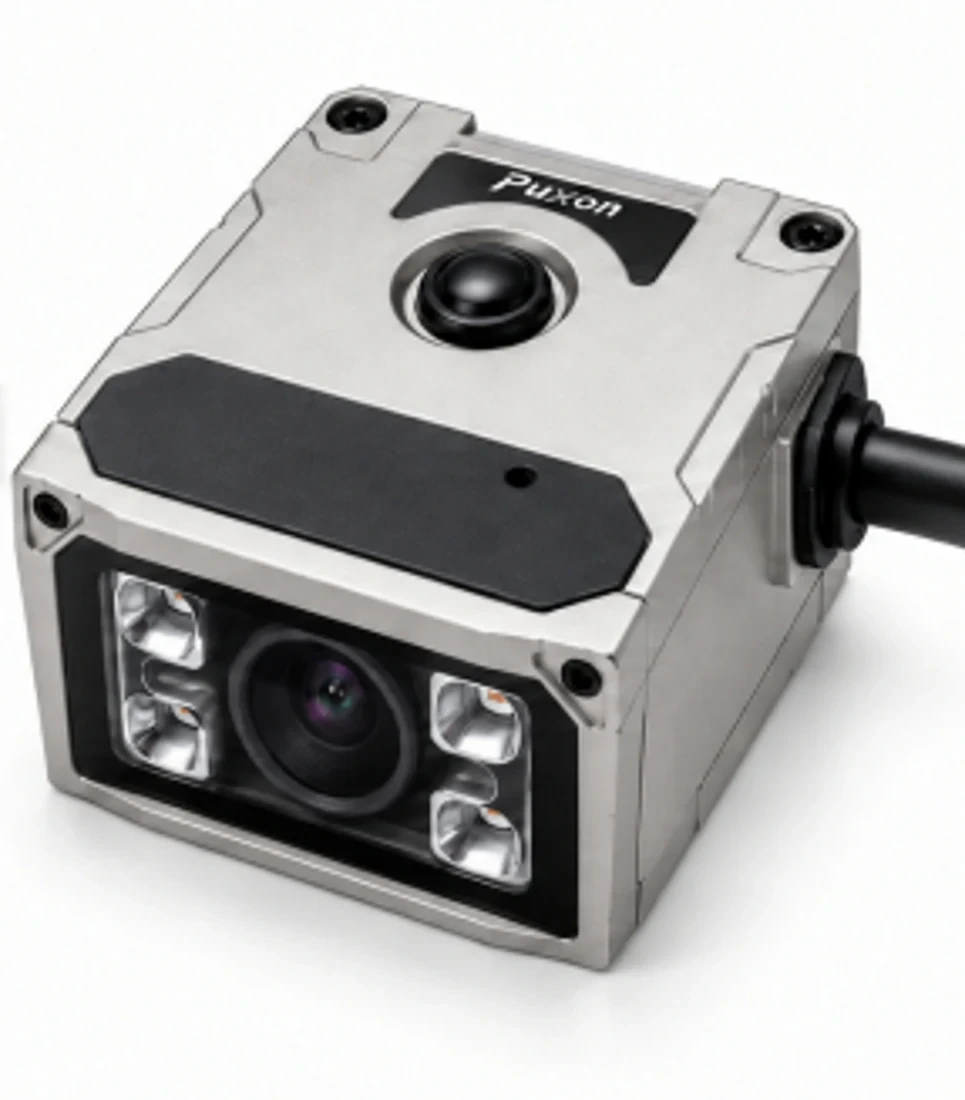
Images are taken from the brochure. Appearance and configuration may vary.
A compact reader for precision electronics and automation, designed to fit production lines, machines and fixtures.
The 40 × 45 × 22 mm housing suits space-constrained semi-automatic workstations and automated equipment.
Supports 1 mm-class 1D and 2D codes, with direct or polarized illumination options. Confirm performance for the actual symbology and working distance.
One-button setup and USB, RS232 or Ethernet interface versions help match the reader to your system.
| Configurations | LX70-US / LX70-ES / LX70-UP |
|---|---|
| Image sensor | 1280 × 960 global-shutter CMOS |
| Maximum acquisition rate | 120 fps |
| Illumination / Light source | Direct / Polarized illumination; red light |
| Lens options | 4.8 mm / 10 mm; fixed focus |
| Communication interfaces | US: USB, RS232; ES: 100 Mbps Ethernet, RS232; UP: USB |
| Power supply | US / ES: 24 V DC (confirm for the selected version); UP: USB 5 V |
| Operating temperature | -10°C to +45°C |
| Protection rating | IP42 |
| Dimensions | 40 × 45 × 22 mm |
Small-code reading depends on symbology, surface material, lens and working distance. Power and I/O vary by interface version. Check the corresponding manual before wiring.
USB / RS232 interface version.
Ethernet / RS232 version with industrial communication protocol support.
USB connection with USB 5 V power.
LX70 · Product overview and technical specifications
LX70 · Installation, configuration and operation
LX70 · Product overview and technical specifications
PX300 / PX720 / LX70 / LX200 / LX300 · Windows configuration tool for PX300, PX720, LX70, LX200 and LX300
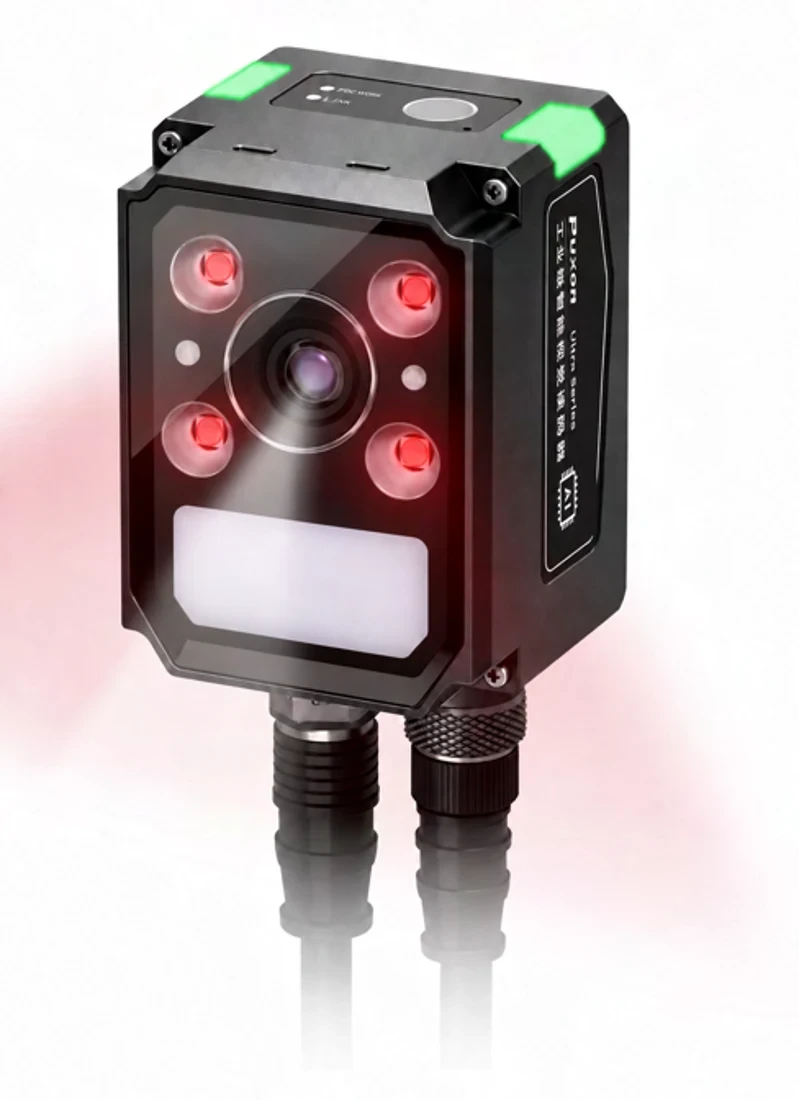
Combine illumination, lens and focus options for traceability in battery, automotive and electronics manufacturing.
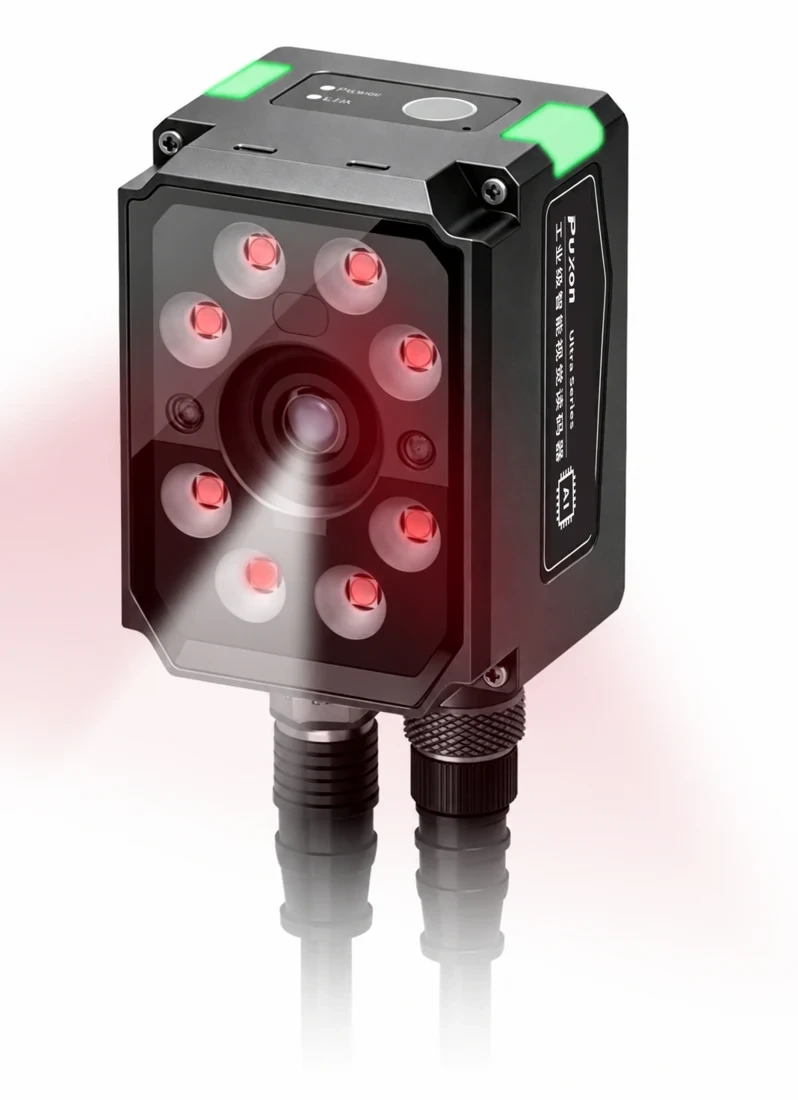
Combine sensor, lens, illumination and communication options to match industrial barcode capture at different distances and fields of view.
Tell us about your codes, parts and installation requirements.